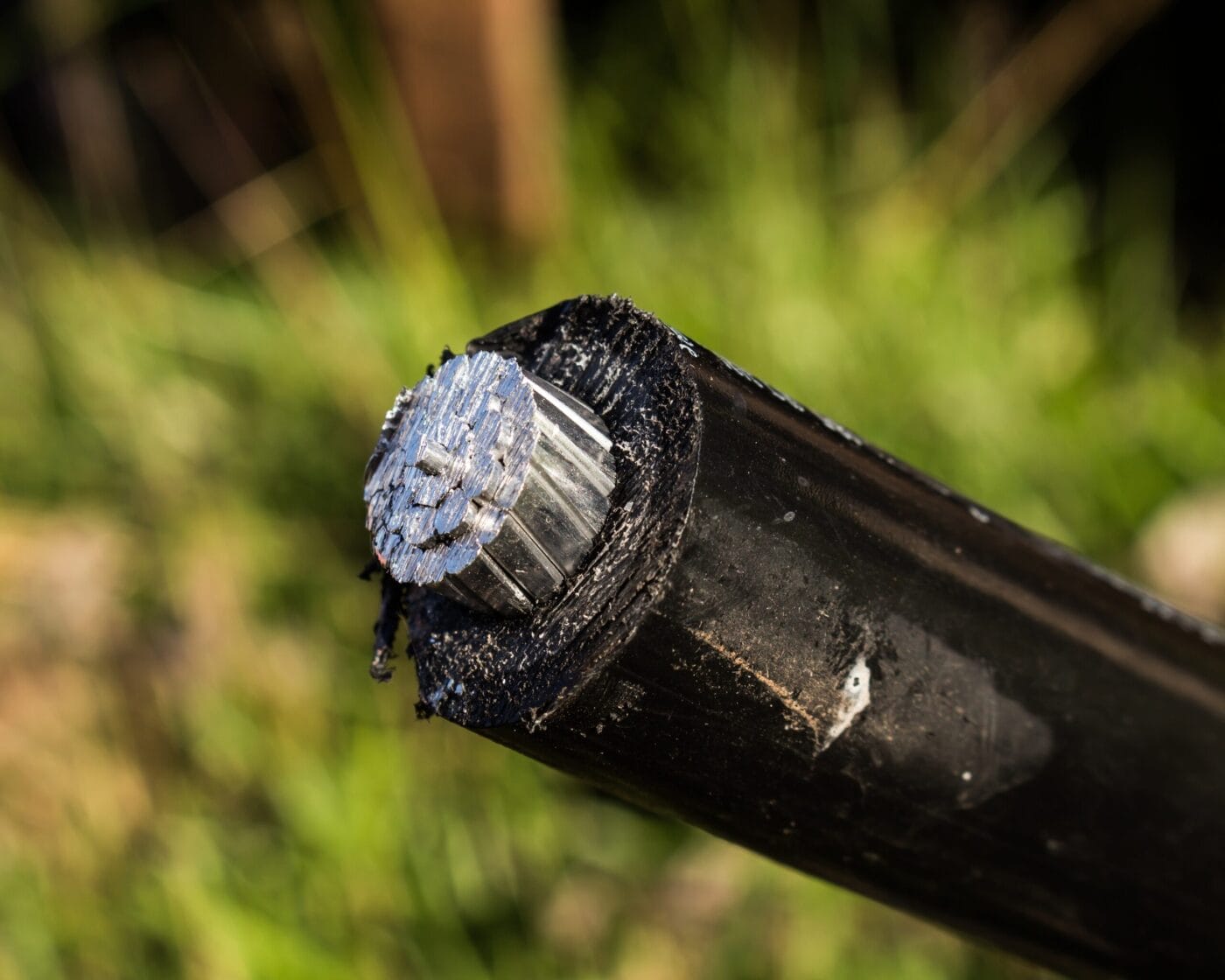
From the 1950s to the mid-1970s, many construction companies used aluminum as their choice of wiring material to keep costs down. Today, we now know that aluminum wiring is a major fire risk, as it can overheat and catch fire at certain temperatures.
Therefore, federal and state electrical codes mandate homeowners and businesses to complete aluminum wiring remediation to save lives and properties.
At Elegant Electrical, we are proud to be the top choice for aluminum wiring remediation and hazardous wiring removal services in St. Louis County and St. Charles County, MO. Call us today to find out how we can make your property safer with our electrical safety upgrades.
We follow three electrical wiring renovation methods approved by the Consumer Product Safety Commission (CPSC) to address the dangers associated with aluminum wiring.
This is the safest and most comprehensive approach to the problem. Rewiring your home with copper eliminates the risks of aluminum wiring for good. However, it’s a labor-intensive project that can take up to four days to complete.
With this method, we connect a short section of copper wire to the existing aluminum wire using a special crimp connector. This method is widely recognized as a safe and effective alternative to completely rewiring your home.
The method involves the use of a torque screwdrivers to create a secure connection between aluminum wires and copper pigtails. It’s another good alternative to aluminum wiring replacement.
However, it may not be the best choice if your connection features wire connectors with anti-oxidation properties. You also need to confirm from your insurance company before going ahead as some of them don’t approve of this method.
Are you ready to protect your property from the risks of aluminum wiring?
Yes, and it’s fairly common in homes built from the mid-1960s to the mid-1970s. Home inspectors usually flag it, and it can come up during negotiations, insurance quotes, and financing. Many buyers and sellers deal with remediation before closing, so the sale goes more smoothly.
It can. Some insurance companies charge more, require an inspection, or won’t issue a policy until the wiring is fixed. Check with your insurer before choosing a repair method, since some carriers accept only certain fixes.
Look at the cables in your basement, attic, or garage for “AL” or “ALUMINUM” printed on the outer jacket. Homes built roughly between 1965 and 1973 are the most likely to have it. If you’d rather not poke around, an electrician can confirm it with a quick inspection.
It depends on the repair method and the size of the home. Connector repairs at every outlet, switch, and splice often wrap up in a day or two for an average house, while a whole-home copper rewire usually takes several days plus some drywall patching. Either way, expect a full inspection first so nothing gets missed.
The Consumer Product Safety Commission recognizes three permanent repairs: a full copper rewire, COPALUM crimp connectors, and AlumiConn connectors. A rewire removes the aluminum completely, while the two connector methods attach short copper wires at every outlet, switch, and splice. Standard twist-on wire nuts aren’t an approved fix, so steer clear of quick patch jobs.
FAQs reviewed by Michael Ginsburg, owner of Elegant Electrical, an electrician serving Ballwin, MO, and the surrounding areas.
Mon - Fri: 9am - 5pm
Sat, Sun: Closed
24/7 Emergency Electrical Repairs